
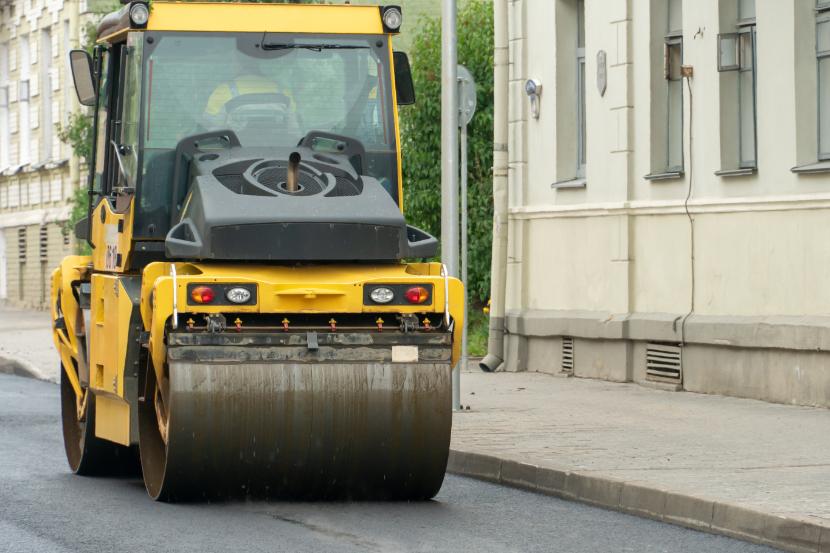
Ride On and Pedestrian Road Roller Training
Enquire Today For A Free No Obligation Quote
At Ride On and Pedestrian Road Roller Training, we provide essential training programs that equip operators across the UK with the practical skills and safety knowledge needed to handle both ride-on and pedestrian road rollers efficiently and responsibly.
Whether you’re entering the construction sector or seeking to upskill for compliance, our accredited courses are designed to meet national safety standards and industry demands. With flexible scheduling, on-site training options, and certification pathways for individuals and teams, we ensure you’re properly qualified for roadwork operations in urban, rural, and commercial settings.
Do Training Providers Offer On-Site Road Roller Courses?
Many road roller trainers for ride-on or pedestrian roads offer on-site training at your facility or job location. On-site courses are ideal for organisations with access to road rollers and appropriate space for practical exercises.
They provide convenience and real-world familiarity, often helping trainees perform better in assessments. On-site courses can also be customised to match your fleet and site-specific risks.
What Does Ride On and Pedestrian Roller Training Cost?
The cost of ride-on and pedestrian road roller training ranges from £200 to £600 per candidate, depending on whether the course covers one machine type or both, the certification required, and the level of practical and theory assessment included.
Costs are mainly shaped by course duration, accreditation type, such as CPCS or NPORS, testing and card fees, group booking options, and employer-supported training arrangements.
Contact Ride On and Pedestrian Roller Training to get customised prices for training at your property.
Can I Renew or Upgrade My Certification Across Sites?
Refresher and upgrade training for roller training for ride-on or pedestrian roads is widely available. If your certification is expiring or you want to move from pedestrian to ride-on qualification (or vice versa), short refresher courses with testing are offered.
Upgrading may also involve gaining a blue CPCS card from a red card, which requires additional on-site assessments (NVQ Level 2) and documented work hours.
What’s Included in Ride On and Pedestrian Roller Courses?
Ride on and pedestrian road roller training programmes generally cover several key areas to ensure candidates develop full operational competence, including:
- Health and safety instruction – Understanding site risks, PPE requirements, and safe working practices.
- Machine familiarisation – Identifying components, functions, and operational controls for both roller types.
- Pre-use inspections – Learning how to check for mechanical issues, fluid levels, and general machine readiness.
- Operational techniques – Practising safe start-up, shut-down, manoeuvring, reversing, and controlled compaction.
- Maintenance basics – Gaining knowledge of routine care tasks needed to keep equipment in safe working condition.
- Assessment procedures – Completing theory and practical tests to confirm competence before certification is awarded.
How Long Does It Take to Get Certified?
Standard road roller training courses for ride-on and pedestrian roads generally take one to three days, depending on experience level and certification body.
Novice operators typically require a full two- or three-day course, while experienced operators can complete accelerated training with testing in as little as one day. Course duration may also be affected by whether both ride-on and pedestrian rollers are included.
What Are the Entry Requirements for Roller Training?
Most roller training courses for ride-on and pedestrian roads training require candidates to be at least 18 years old and physically fit for operating plant machinery. While prior construction experience is beneficial, it’s not mandatory for entry-level courses.
Some certification schemes, such as CPCS, may require candidates to pass a CSCS Health, Safety & Environment Test within the past two years prior to registration.
Why Is Road Roller Certification Important for Jobs?
For employers and contractors, roller training for ride-on or pedestrian roads certification is often a legal requirement under CDM Regulations, and necessary for site insurance compliance. Without proof of training, operators may be denied site access or risk liability in the event of an incident.
Certification verifies that you are trained and competent to operate road rollers safely. It also helps standardise operating practices across sites, reducing the likelihood of accidents and equipment damage.
Which Type of Road Roller Training Is Right for My Role?
Several factors in your day-to-day responsibilities determine the most suitable roller training option, including:
- Ride-on roller requirements – Ideal for those operating on highways, large construction sites, or major infrastructure works where heavier compaction equipment is necessary.
- Pedestrian roller suitability – Appropriate for roles involving landscaping, small surfacing tasks, and footpath or minor repair work.
- Dual-skill expectations – Useful when both machine types are present on site and operators must switch between them as needed.
- Project scale considerations – The size and scope of typical assignments may dictate whether a full ride-on qualification or a lighter pedestrian certification is more practical.
What Safety Standards Are Covered in Road Roller Courses Within the Region?
Road roller training for ride-on or pedestrian roads covers safety protocols such as equipment checks, PPE use, hazard awareness, traffic management zones, reversing protocols, rollover prevention, and machine shutdown procedures.
Courses follow the latest guidance from regulatory bodies like HSE, CITB, and accrediting organisations (CPCS, NPORS) to ensure consistent safety compliance across all sites in the region.
Contact Ride On and Pedestrian Road Roller Training for a consultation on getting road roller training for ride-on and pedestrian roads.
Find More Info
Make sure you contact us today for a number of great ride-on and pedestrian road roller training services.
For more information on ride-on and pedestrian road roller training, fill in the contact form below to receive a free quote today.
★★★★★
TESTIMONIALThe Ride On and Pedestrian Road Roller Training was exceptionally well delivered. The instructor explained everything clearly, focused on safety, and made sure we felt confident operating both machines. I left the course fully prepared for on-site work. Brilliant training!
Hadrian Westmere
Greater London
★★★★★
I was really impressed with the quality of the Ride On and Pedestrian Road Roller Training. The sessions were hands-on, well-structured, and tailored to different skill levels. The trainer’s patience and expertise made a huge difference. Highly recommended!
Ophelia Redwynd
Greater London